# What Relay Is: An Overview

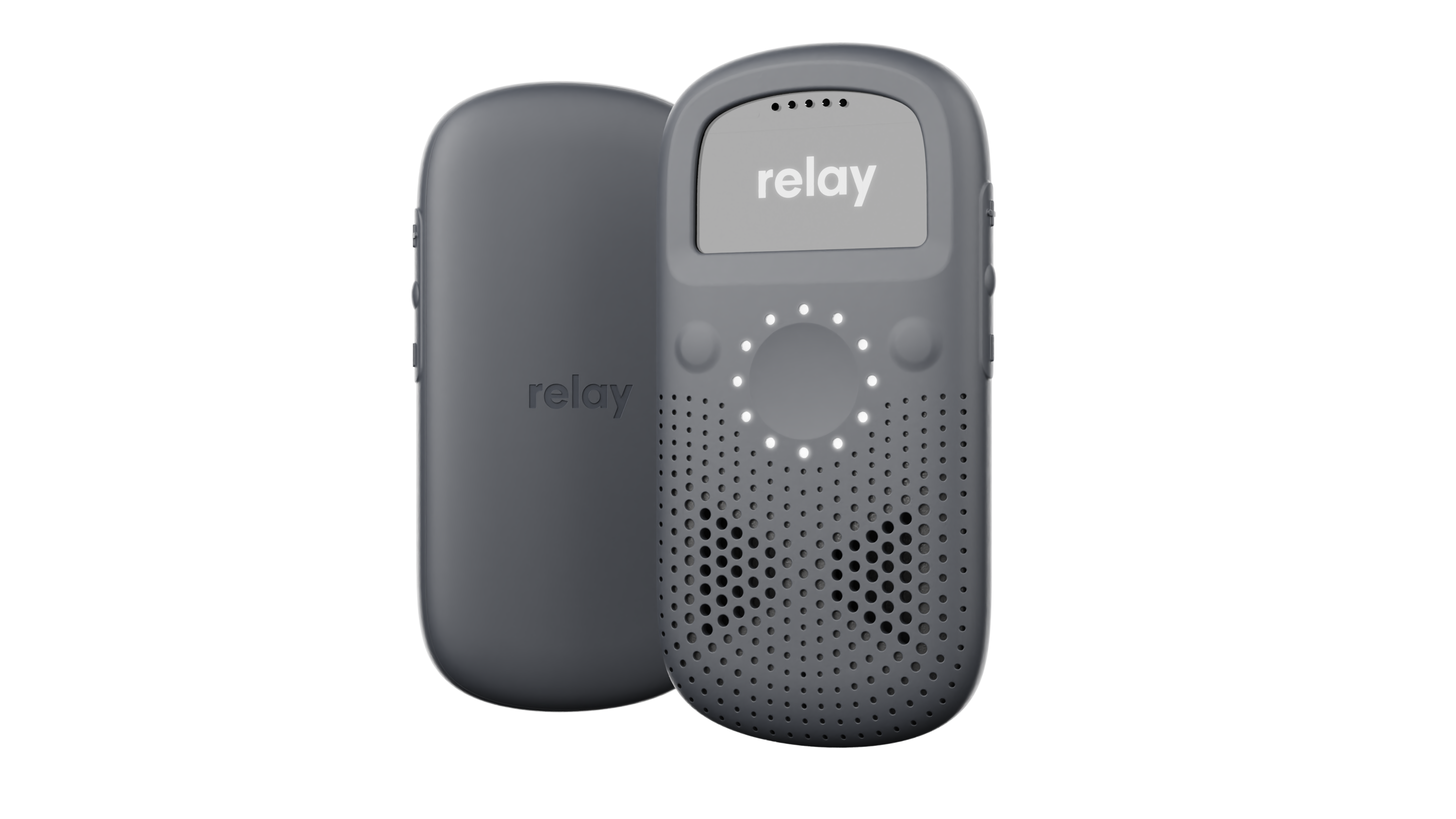
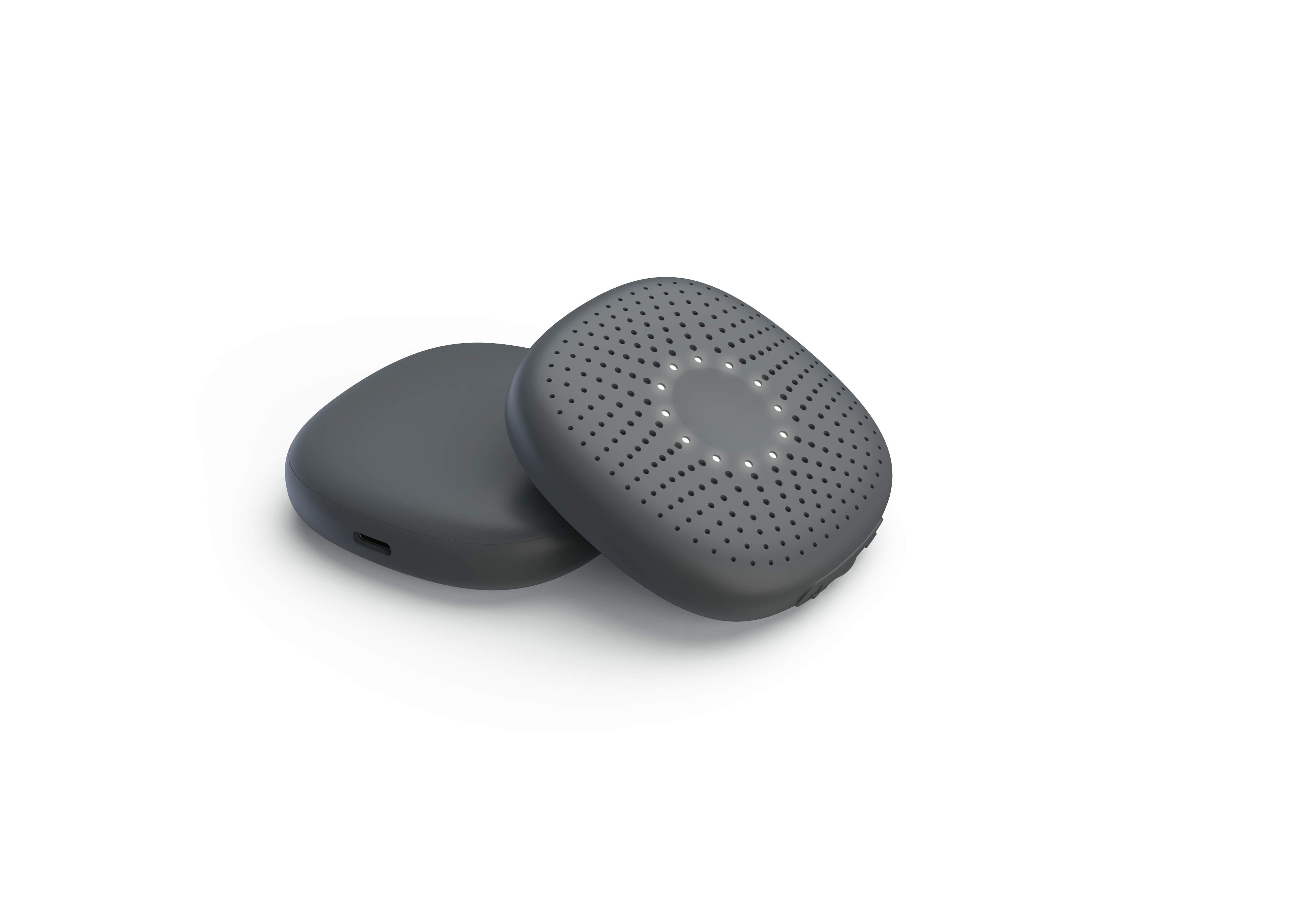
<div><figure><img src="https://2387635908-files.gitbook.io/~/files/v0/b/gitbook-x-prod.appspot.com/o/spaces%2FL7dimlztFKGWYQIaJ9DP%2Fuploads%2FWlvn5wAGO16hiu5ngCqO%2FDouble-Straight-On.png?alt=media&#x26;token=4ca58072-2c22-4ac2-842d-ca52cdb47324" alt="" width="375"><figcaption><p>RelayX</p></figcaption></figure> <figure><img src="https://2387635908-files.gitbook.io/~/files/v0/b/gitbook-x-prod.appspot.com/o/spaces%2FL7dimlztFKGWYQIaJ9DP%2Fuploads%2F4xUhRazmcjRwrL3H9qoQ%2FRelay%2Bduo-pile-lights.png?alt=media&#x26;token=550c2108-2e34-4736-9bf5-5c07a9a365a7" alt="" width="375"><figcaption><p>Relay+</p></figcaption></figure></div>

Relay is a hardware-based platform for voice and mobile IoT applications. As an enterprise-first platform, it brings a modern software stack, an easy-to-use programming interface, and a quick path to integration. The goal of Relay is to enable your active workers to have two-way connections to the tools and people in the rest of your organization. And to do so with high capability, easy deployment, and low expense.

Relay's first success was in the voice communications space, with its push-to-talk capabilities and built-in connectivity. As a smart device, Relay can do more than push-to-talk communications. In the following sections we explain the "more".

### Jump right in

<table data-view="cards"><thead><tr><th></th><th></th><th data-hidden data-card-cover data-type="files"></th><th data-hidden></th><th data-hidden data-card-target data-type="content-ref"></th></tr></thead><tbody><tr><td><strong>Relay Capabilities</strong></td><td>More details on Relay products</td><td><a href="https://2387635908-files.gitbook.io/~/files/v0/b/gitbook-x-prod.appspot.com/o/spaces%2FL7dimlztFKGWYQIaJ9DP%2Fuploads%2FJpFGkcSpyQPYhPAa2hoW%2Fdash_relay_landscape.png?alt=media&#x26;token=9321e7e6-891a-4d2e-8917-fade55fd7b9c">dash_relay_landscape.png</a></td><td></td><td><a href="relay-capabilities">relay-capabilities</a></td></tr><tr><td><strong>FAQs</strong></td><td>Answers to commonly asked questions</td><td><a href="https://2387635908-files.gitbook.io/~/files/v0/b/gitbook-x-prod.appspot.com/o/spaces%2FL7dimlztFKGWYQIaJ9DP%2Fuploads%2FmnYPkDMU78O790ahYg3q%2Fbutton_push_landscape.png?alt=media&#x26;token=f3643412-219b-4664-930b-32dc8cd1bace">button_push_landscape.png</a></td><td></td><td><a href="../docs">docs</a></td></tr><tr><td><strong>Alerts</strong></td><td>Use our API to send alerts via Relay</td><td><a href="https://2387635908-files.gitbook.io/~/files/v0/b/gitbook-x-prod.appspot.com/o/spaces%2FL7dimlztFKGWYQIaJ9DP%2Fuploads%2FHtnM2FF1zUxuvq8C9lH6%2Frgb_circle_reverse.png?alt=media&#x26;token=25462c59-61ad-4b1e-af64-5efad925cbc2">rgb_circle_reverse.png</a></td><td></td><td><a href="../docs/relay-alerts-api">relay-alerts-api</a></td></tr></tbody></table>


---

# Agent Instructions: Querying This Documentation

If you need additional information that is not directly available in this page, you can query the documentation dynamically by asking a question.

Perform an HTTP GET request on the current page URL with the `ask` query parameter:

```
GET https://developer.relaypro.com/introduction/what-relay-is-overview.md?ask=<question>
```

The question should be specific, self-contained, and written in natural language.
The response will contain a direct answer to the question and relevant excerpts and sources from the documentation.

Use this mechanism when the answer is not explicitly present in the current page, you need clarification or additional context, or you want to retrieve related documentation sections.
